Washing Machine Maintenance by Frequency: The Complete Checklist
The majority of washer failures we see across Huntersville, Mooresville, and the Lake Norman area were building up for months or years before they became obvious. Drain pump clogs, door seal mold, inlet valve screen blockages, and suspension wear are all preventable with maintenance that takes minutes. Here’s everything organized by how often it needs to be done.
After Every Load — What Takes Less Than 60 Seconds
- Remove clothes promptly. Leaving wet clothes in the drum creates the warm, damp environment that mold needs. Move them to the dryer as soon as the cycle ends.
- Leave the door ajar (front-loaders). Even an inch of gap allows airflow to evaporate residual moisture. The single most effective preventive habit for front-load owners.
- Wipe the door seal (front-loaders). Run a dry cloth through the seal folds, particularly at the bottom. Thirty seconds. Eliminates the moisture that causes mold smell. More detail in our front-load washer mold guide.
Monthly Maintenance Tasks
- Run a drum clean cycle. Most modern washers have a built-in Tub Clean or Drum Clean cycle. Run it monthly with or without a cleaning tablet. On machines without a dedicated cycle, run an empty hot wash with two cups of white vinegar or a commercial washing machine cleaner.
- Clean the detergent dispenser drawer. Remove completely, rinse all compartments, clean the siphon cap, and brush the housing channels. Detergent residue builds quickly here and becomes a mold source.
- Inspect the door seal (front-loaders). Check for mold spotting, tears, or foreign objects. Clean surface mold with diluted bleach or vinegar. Tears causing leaks need professional attention.
Quarterly Maintenance Tasks
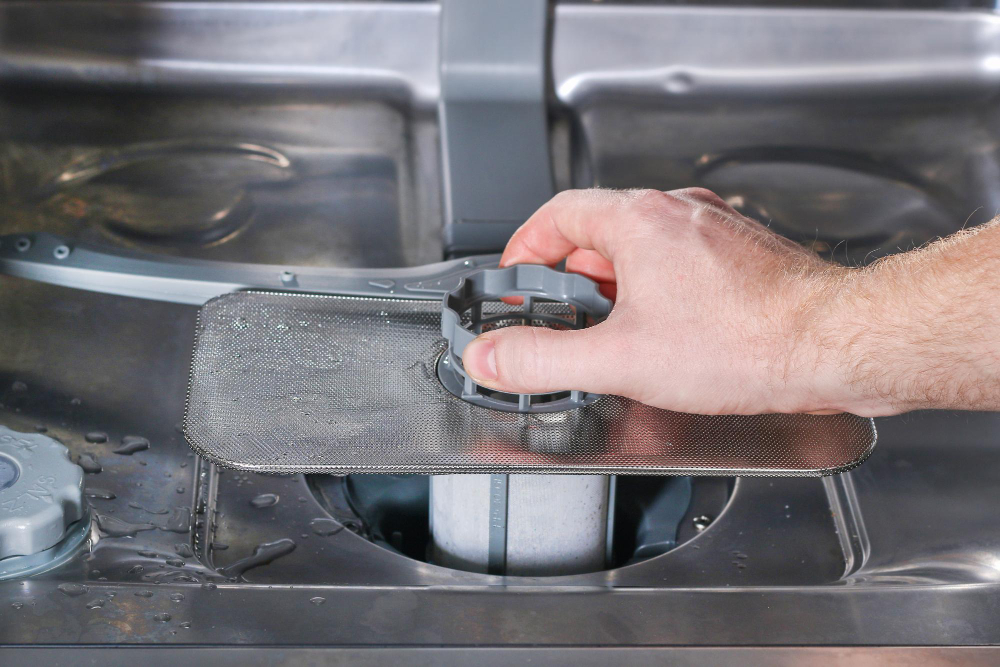
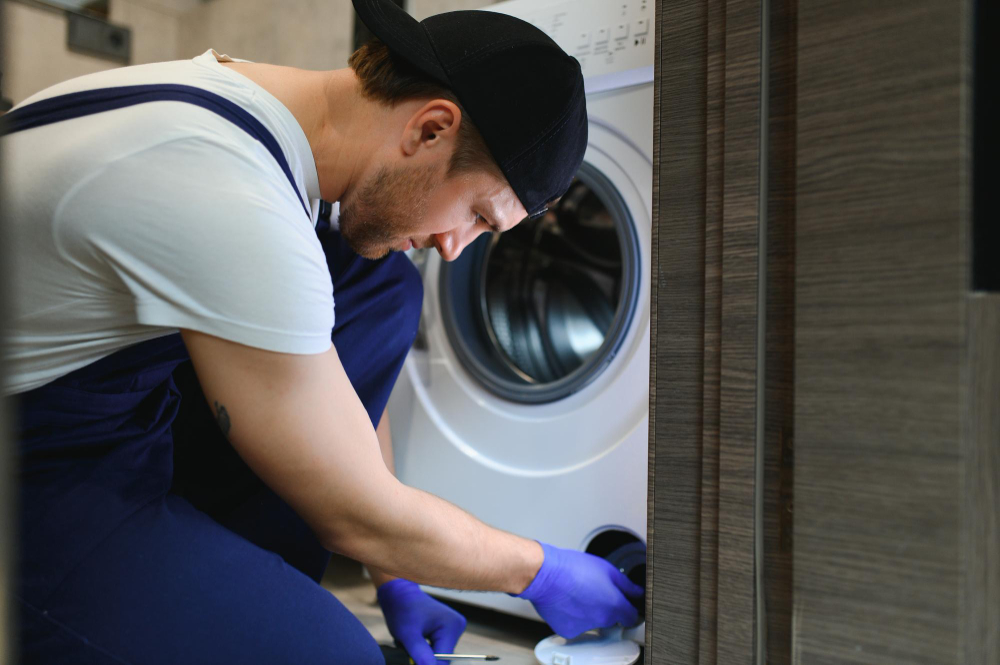
- Clean the drain pump filter (front-loaders). The filter behind the lower front access panel catches lint and debris. Clean every three months. A clogged filter causes drainage errors and pump stress. See our Samsung washer not draining guide for what happens when this gets skipped.
- Clean the inlet valve screens. Turn off both supply valves, disconnect the hoses, and inspect the mesh screens inside the valve inlet ports. In hard water areas, these accumulate sediment quickly. Rinse with a brush.
- Inspect water supply hoses. Check for bulging, cracking, or fraying at the fittings. A burst supply hose is one of the most common sources of serious residential water damage. Replace every five years proactively. Braided stainless steel hoses are worth the upgrade over standard rubber.
- Check machine leveling. Washers gradually vibrate out of level on hard floors. Check with a spirit level and adjust feet until all four make firm contact with the floor.
Annual Maintenance Tasks
- Replace rubber supply hoses if more than 5 years old. Internal degradation isn’t always visible until failure. The industry recommendation is replacement every five years.
- Deep-clean the drum interior. Beyond the monthly clean cycle, manually wipe the drum with a damp cloth to remove residue the clean cycle doesn’t reach.
- Have a technician inspect if unusual symptoms have appeared. A washer that’s started vibrating more, taking longer to drain, or making new sounds is showing early warning signs. Addressing them early is almost always less expensive than waiting for a breakdown.
Signs Your Washer Needs a Technician, Not Just Maintenance
- Water leaking during or after a cycle
- Clothes soaking wet after a full spin cycle
- Error codes that don’t clear after a power reset
- Machine filling but not advancing to the next cycle phase
- Loud grinding, banging, or knocking during spin
- Machine walking across the floor during spin
- Musty smell persisting after cleaning the seal and running a clean cycle
Our washer repair team serves Huntersville, Mooresville, Cornelius, Davidson, and the Lake Norman area with same-day and next-day appointments.
A Recent Maintenance Visit in Mooresville
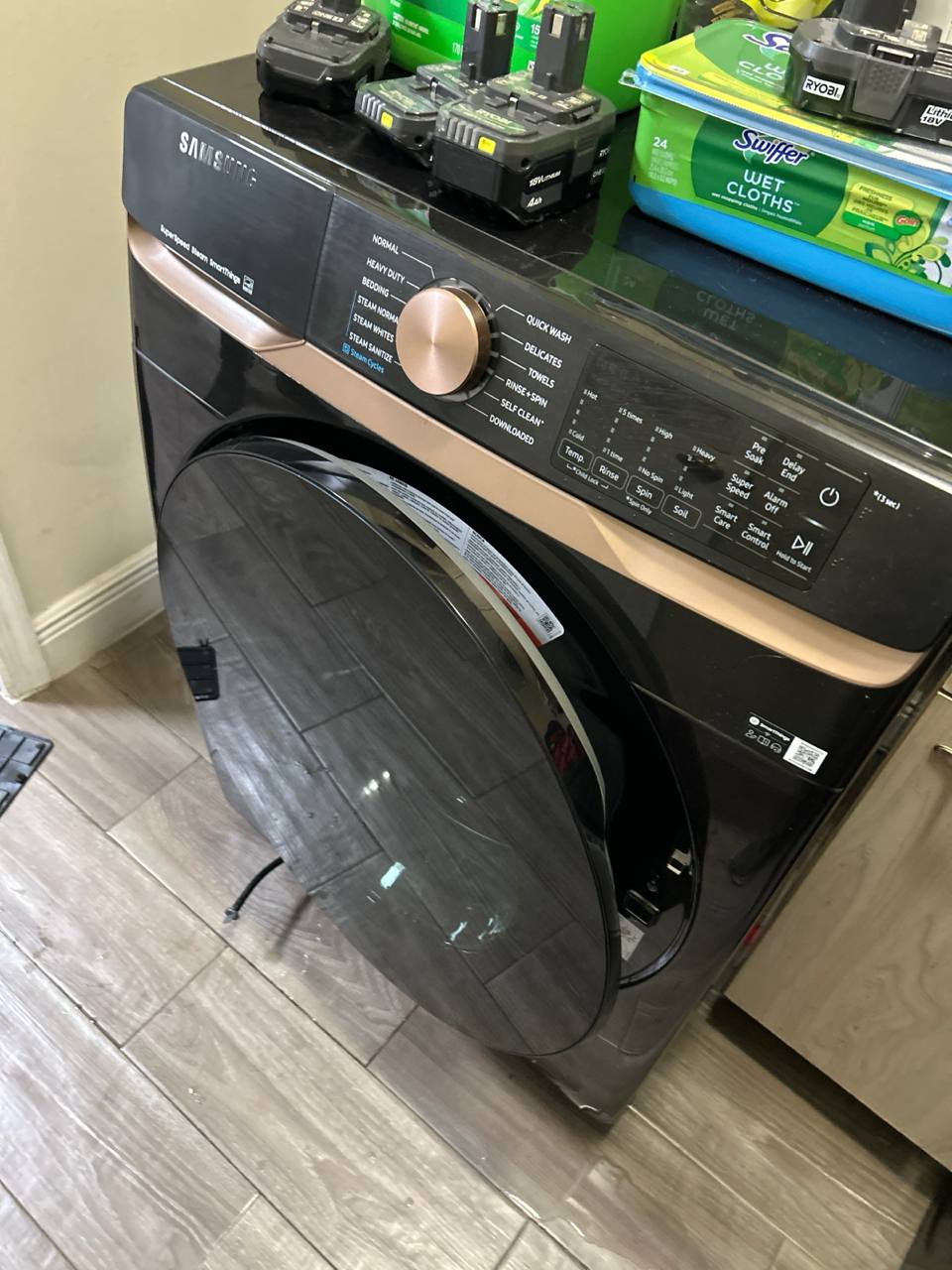
A homeowner in Mooresville booked a maintenance visit after noticing their Samsung front-load washer was taking longer than usual to drain and had a faint musty smell they couldn’t clear with clean cycles. Our technician found the drain pump filter packed with lint and several coins — completely restricting drainage. The door seal folds also had visible mold starting in the lower section. We cleaned the filter, replaced the door seal, deep-cleaned the drawer housing, and went through the after-every-cycle habits with the homeowner. A $240 maintenance visit that prevented what would have been a pump motor failure within a few months.
Frequently Asked Questions
How often should I run a washing machine clean cycle?
Monthly for most households. If you do laundry daily or have a front-loader prone to odor, every two to three weeks. The key is consistency — irregular cleaning allows biofilm to re-establish between sessions.
Do top-load washers need the same maintenance as front-loaders?
The monthly clean cycle, quarterly inlet screen cleaning, and annual hose replacement apply to both. Top-loaders don’t have a door boot seal to manage. However, top-loaders should have their agitator cap removed and cleaned periodically — detergent residue builds up underneath over time.
What’s the best washing machine cleaner to use?
Affresh is the most widely recommended commercial cleaner and is endorsed by most major manufacturers. White vinegar is effective and inexpensive for monthly clean cycles. For mold on the door seal, diluted bleach is more effective. Don’t use both bleach and vinegar in the same session — they neutralize each other and can produce fumes.
How do I know if my washing machine supply hoses need replacing?
Any visible bulging, cracking, or fraying at the fittings is an immediate reason to replace. If hoses are more than five years old, replace them proactively regardless of appearance — internal degradation isn’t always visible until failure.
Can I do all washing machine maintenance myself?
Most routine maintenance — clean cycles, drawer cleaning, seal wiping, hose inspection, inlet screen cleaning, leveling — is DIY-friendly. Drain pump filter cleaning on front-loaders is also straightforward. Professional attention is appropriate when symptoms suggest a failing part rather than a maintenance issue.

.svg)
.svg)