LG Front-Load Washer Repair in Lowesville

A Lowesville homeowner called us after finding soap foam overflowing from the bottom of their LG front-load washer onto the laundry room floor — here's what our technician diagnosed, how we fixed it, and what every LG washer owner should know.

The Service Call: Foam on the Floor, Door Locked Shut

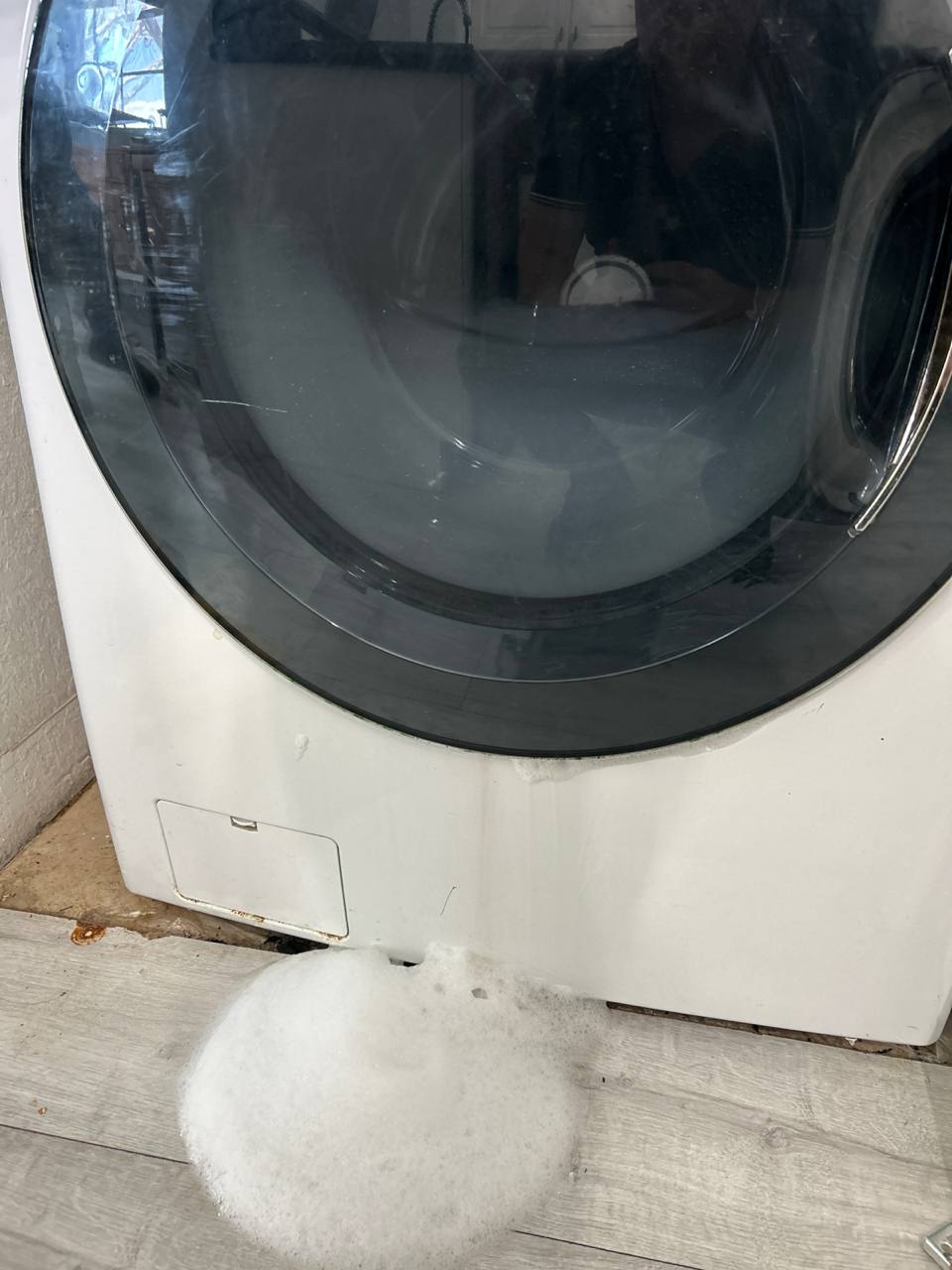
We got the call from a homeowner in Lowesville on a weekday morning. They’d started a load, walked away, and came back to find white soap foam pushing out from underneath their LG front-load washer and spreading across the laundry room floor. The door was locked mid-cycle, the machine was still running, and they had no idea what to do. As you can see in the photo, the suds had already formed a significant mound on the floor by the time our technician arrived — a vivid, unmistakable sign of what was going on inside.

This is one of those calls that looks alarming but is almost always fixable in a single visit. The key is figuring out exactly which of several possible causes is behind the leak — because they look identical from the outside but require completely different repairs.

Why LG Front-Load Washers Leak From the Bottom

A front-load washer leaking from the bottom — especially one producing visible suds or foam — can stem from a handful of different sources. On LG models specifically, these are the four most common causes we diagnose:

  • Too much detergent or wrong detergent type: This is the most common cause of suds overflow on LG front-loaders. LG machines use very little water and are engineered specifically for HE (high-efficiency) detergent. Using regular detergent, or even too much HE detergent, generates far more suds than the machine can handle. The excess foam has to go somewhere — and it exits through the door seal, the drain, and eventually the bottom of the machine.
  • Torn or deteriorated door boot seal: The door boot seal (also called the door gasket) is the rubber accordion-style seal that runs around the inside of the door opening. When it tears, cracks, or pulls away from its retaining ring, water and suds escape directly from the front of the machine and run down to the floor.
  • Cracked or clogged detergent drawer: The detergent dispenser drawer has a siphon cap and internal channels that direct water and detergent into the drum. If the drawer is cracked, improperly seated, or clogged with detergent buildup, water can overflow the drawer housing and leak down the front of the machine to the floor.
  • Drain pump filter overflow: The drain pump filter — accessed via the small panel at the bottom front of the machine — can leak if it’s not fully tightened after cleaning, or if the filter cap or housing is cracked. This produces a leak specifically from the lower front of the machine, often accompanied by standing water underneath.

How We Diagnosed the Problem

Our technician started by letting the cycle complete and the machine drain fully before opening anything. Once the drum was empty and the door unlocked, he removed the detergent drawer and inspected it closely. The drawer housing had a visible crack along the bottom channel — exactly where water flows through during the fill cycle — and there was significant hardened detergent buildup inside the siphon cap that was backing water up rather than letting it flow cleanly into the drum.

He also inspected the door boot seal thoroughly and found it intact with no tears or separation — ruling that out as a contributing factor. The drum itself was full of residual suds even after the drain cycle, which confirmed that excess suds had also been a factor: the homeowner had been using a non-HE detergent, which compounded the drawer crack by generating more foam than the drainage system could clear quickly. Two issues working together, each making the other worse.

How We Fixed It

  1. Removed and replaced the detergent dispenser drawer and housing. The cracked drawer housing was the primary cause of the leak. We sourced an OEM LG replacement dispenser assembly — drawer, housing, and siphon cap — and installed it cleanly. This restores the proper water flow path from the dispenser into the drum with no leakage.
  2. Ran a drum clean cycle to clear residual suds. Before reassembling everything, we ran LG’s built-in Tub Clean cycle to flush the excess detergent and suds from the drum, door seal area, and internal hoses. This is an important step that’s often skipped — leaving residual suds in the system means the first real load will produce another overflow.
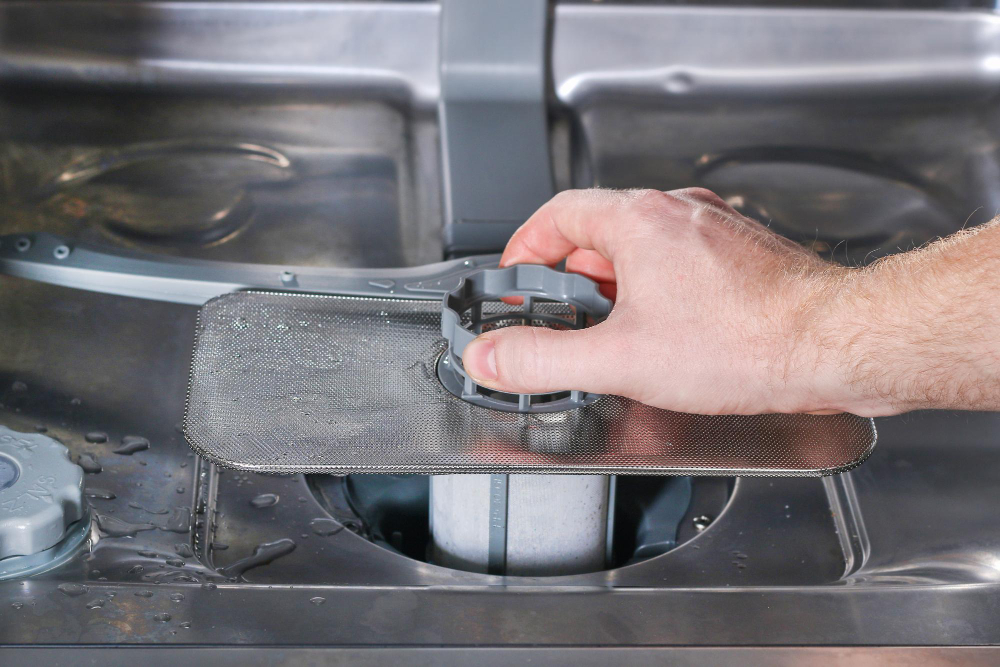
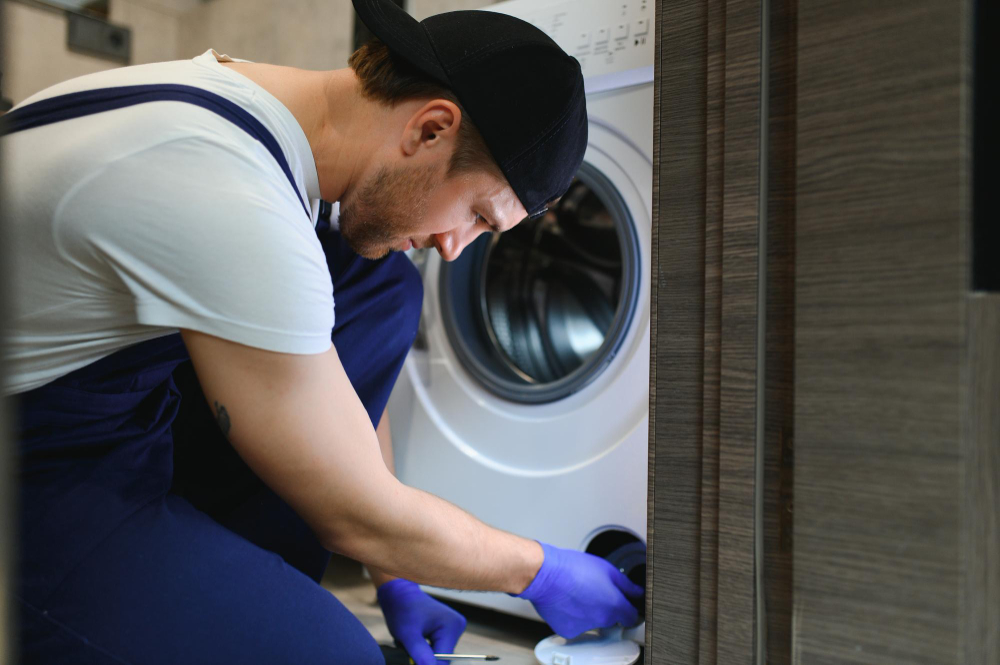
  3. Inspected and cleaned the drain pump filter. With the repair underway, we opened the filter access panel and checked the pump filter. It was partially clogged with lint and debris, which had been slowing drainage and contributing to the suds buildup. We cleaned it fully and confirmed the cap was sealed tight.
  4. Checked the door boot seal condition. Even though the seal wasn’t the source of this leak, we inspected it carefully for early signs of wear — small cracks, lifting at the retaining ring, or mold buildup in the folds. It was in good condition, and we cleaned the folds thoroughly as part of the service.
  5. Ran a full test cycle and confirmed no leaks. We loaded a small test wash with the correct HE detergent in the proper amount and ran a complete cycle, monitoring throughout for any leaks from the dispenser area, door seal, or bottom of the machine. The cycle completed cleanly with no suds overflow and no water on the floor.

LG Washer Error Codes Related to Leaks and Water Issues

If your LG front-load washer is displaying an error code alongside a leak or overflow, here’s what the most relevant codes mean:

  • OE: Drain error — the washer cannot drain water within the expected time. A clogged pump filter, kinked drain hose, or failed drain pump are the usual causes. Can appear alongside a leak if water is backing up and finding an alternative exit path.
  • IE: Inlet error — the machine isn’t filling with water properly. Usually a water supply issue, but can occasionally appear if a fill hose is partially disconnected and causing a leak at the connection point.
  • UE / UB: Unbalanced load. Not directly related to leaks, but a drum that can’t spin due to imbalance leaves water in the machine longer, which can exacerbate a slow leak from another source.
  • LE: Motor error — the motor is locked or overloaded. Not a water code, but worth knowing if it appears alongside other symptoms after a water-related issue.
  • Sud / SUDS: Excess suds detected. LG’s machines actively detect over-sudsing and will display this code, extend the rinse cycle, and in some cases pause the cycle entirely. If you see this code, the machine is telling you directly that too much detergent is the problem.

Tips to Prevent Your LG Front-Load Washer From Leaking

  • Always use HE detergent — and use less than you think you need. This is the single most impactful thing you can do. LG front-loaders use 13 gallons of water per cycle compared to 40+ in a top-loader. The recommended amount of HE detergent for an LG is typically 1–2 tablespoons — far less than the fill lines on most detergent caps suggest.
  • Clean the detergent drawer monthly. Pull the drawer out fully (press the release tab) and rinse it under warm water, clearing all channels and the siphon cap. Detergent residue builds up quickly and can block the flow path, causing water to back up and overflow.
  • Clean the drain pump filter every 1–3 months. A clogged filter slows drainage and puts stress on the pump. It also means water sits in the machine longer, increasing the chance of leaks from other components. Five minutes of maintenance prevents a lot of problems.
  • Inspect the door boot seal regularly. After each wash, wipe the seal folds dry and check for cracks, tears, or objects caught in the rubber. Small tears grow quickly under the pressure of a spin cycle. Catching them early means a simple seal replacement rather than water damage to your floor.

Frequently Asked Questions

Why is my LG washer producing foam or suds coming out from the bottom?

Suds overflowing from the bottom of an LG front-load washer almost always comes down to one of two things: too much detergent or the wrong type of detergent, or a cracked/blocked detergent dispenser housing that’s causing water to overflow rather than flow cleanly into the drum. In many cases it’s both at once. Switching to HE detergent in the correct amount resolves the suds issue — but if the dispenser housing is cracked, it needs to be replaced to stop the physical leak.

Can using the wrong detergent damage my LG washing machine?

Over time, yes. Excess suds from non-HE detergent don’t just overflow — they coat the drum bearings, internal hoses, and pump components with a soapy residue that accelerates wear. They also cause the machine to run extended rinse cycles to try to clear the foam, adding wear to the motor and pump. Consistently using the wrong detergent shortens the lifespan of the machine meaningfully.

How do I know if my LG door boot seal needs replacing?

Look for visible tears, cracks, or holes in the rubber — especially at the bottom of the seal where water pools. Also check whether the seal is pulling away from the drum or door ring at any point around its circumference. Water marks or mold staining on the outer face of the seal (not just inside the folds) can also indicate a leak path. If you find any of these, have a technician inspect it — a torn boot seal replacement is a moderate repair that’s well worth doing before it causes floor damage.

How much does it cost to fix a leaking LG front-load washer?

It depends on the cause. A detergent drawer replacement typically runs $100–$175 including parts and labor. A door boot seal replacement is $150–$250 depending on the model. Drain pump filter service is usually minimal cost. We always diagnose first and give you a clear estimate before starting any work — no surprises.

Is it worth repairing a leaking LG front-load washer or should I replace it?

For the repairs we typically see on leaking LG front-loaders — dispenser housing, door seal, pump filter — repair almost always makes sense if the machine is under 10 years old. These are wear components on an otherwise solid machine. LG front-loaders are built to last 10–15 years with proper maintenance. We’ll give you an honest assessment of the machine’s overall condition and a straight answer on whether repair or replacement is the smarter call.

LG Washer & Dryer Repair in Lowesville

Learn more about our LG washer & dryer repair →

Professional Washer & Dryer Repair — Lowesville & Lake Norman

Learn more about our washer & dryer repair services →